A Ramadan Memoir
K Fathima Jowhara
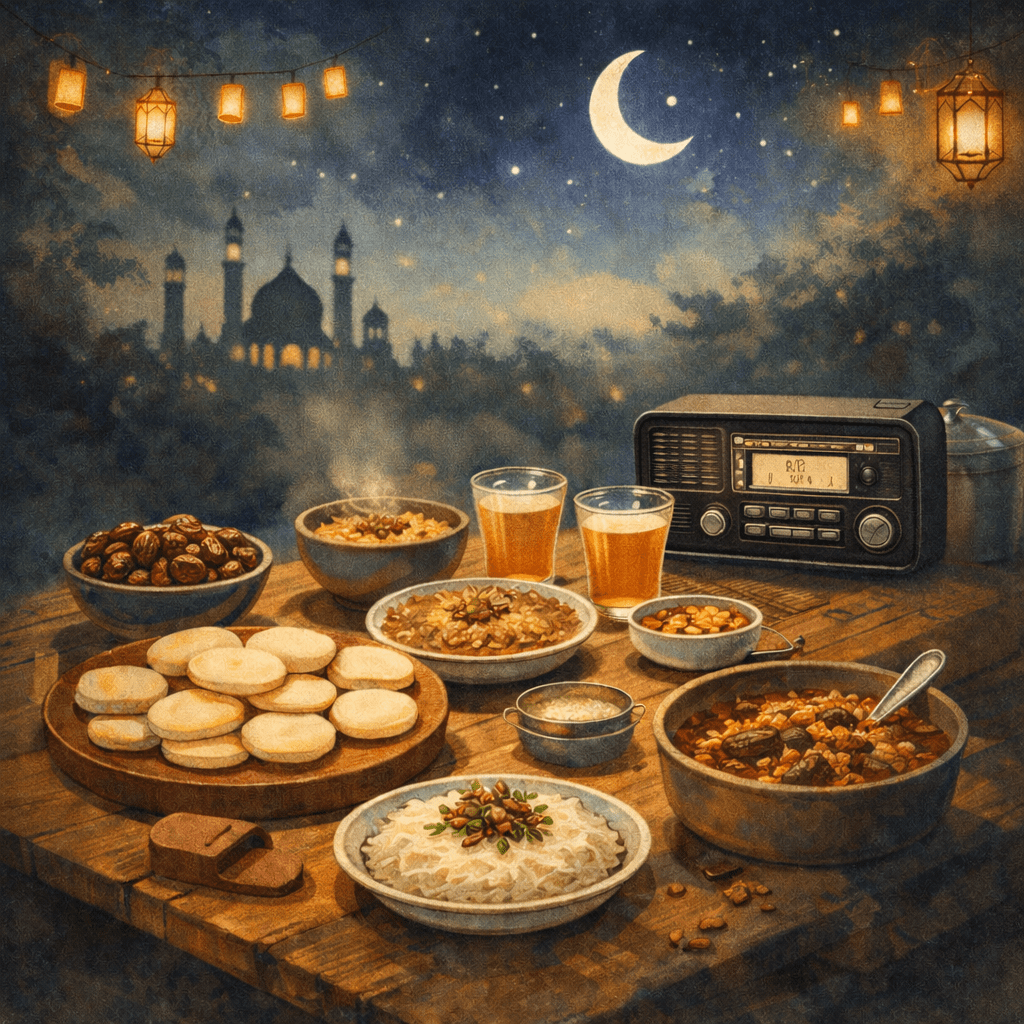
Every season comes with a set of memories. In the month of Ramadan again, the mushrooming wayfarers illuminated with lights to sell iftar snacks, and the mixed aroma of spices pull me back to my childhood days.
In the previous month before Ramadan, on the 15th of Sha’ban, the reminder of the two important incidents—Isra and Mi’raj—is commemorated, and some people observe fasting. Then the cleaning and beautification of masjids and houses begin to welcome the much-awaited guest of Muslims all over the world.
Everything is accompanied by special food, and so are the memories.
After sunset, people sit near the radio and listen attentively to know whether the new moon of Ramadan has appeared or not. Then the preparations begin. The kitchen becomes alive with the making of food for suhoor. Around two o’clock comes Umma’s wake-up call. We children jump up, rubbing our eyes, and walk to the dining table. If there are no plantains to mix with rice, we become sad. But that was very rare, as Grandma was always keen to place it on the table.
Only on holidays do we children notice the sequence of events in the kitchen. On those days we feel envious of the smaller children who enjoy breakfast with the previous day’s beef fry and pathiri. In the morning, the first dish to be cooked is beef curry, followed by boiling wheat after removing the husk manually using the grinding stone called “ural.”
In those days we felt that time moved at a snail’s pace. We passed time playing games with tamarind seeds, carroms, or cooking with toy earthenware. Watching the activities in the kitchen itself consumed time, and the sight of the dishes brought delight.
After the Asr prayer, Ummama, my granny’s cousin, enters the kitchen. The tuck-tuck sound of her wooden slippers, methiyadi, announces her arrival. She pours rice flour into boiling water, kneads the dough smoothly, and makes small balls to prepare pathiri. Another elderly lady in the kitchen bakes them on the fire. Alongside, wheat flour is kneaded to prepare chapathis.
The half-cooked wheat, mixed with coconut milk and ghee and topped with fried shallots, is kept aside to be served in saucers with spoons. Rava cooked in coconut milk with cardamom for its unique flavour, and jeeraka kanji, were the permanent drinks of Ramadan, believed to be healthier than they were tasty.
Ten minutes before the azan, all items except the jeeraka kanji are placed on the table. When the azan is heard, dates and water are taken first, followed by the wheat dish in separate saucers, and then the rest.
Almost every day there are guests, often poor people who visit frequently.
There is also a special smoking beedi called “tharakkoott beedi,” with a distinctive filling and smell, commonly used by elders who pass by.
In the first week of Ramadan, we children start asking our parents when we are going to purchase our Eid dress. Uppa chooses a convenient day, and we happily buy new clothes. The very next day we start showing them to all the visitors and playmates, and the waiting for Eid begins.
The arrival of the atharwala, who visited every Ramadan holding a glass box in a wooden frame with a steel handle, filled our hearts with excitement about the approaching Eid. A tall man named Kunhimoyi, wearing a jubba and dhothi, displayed bottles of athar. Grandma chose a bottle after testing the fragrance. Then he filled small bottles with cork lids separately for the children. Grandma kept them safely on her shelf and distributed them along with the Eid money.
The long wait for days ended with the exciting news of Shawwal. Girls, ladies, and boys from near and far rushed with cloth bags to collect fithr zakath—rice distributed by Grandma. Grandma instructed the servants to bring henna leaves and make a fine paste for mehendi. Early the next morning, each girl compared the redness of her mehendi and its perfection.
After bathing and wearing new clothes, we started roaming around and meeting friends under the mango tree. Ghee rice and chicken curry for lunch, and tasty kadala payasam, were the usual food. After lunch we again waited to visit relatives in the evening, and thus the day ended, draped in the love and care of Grandma.
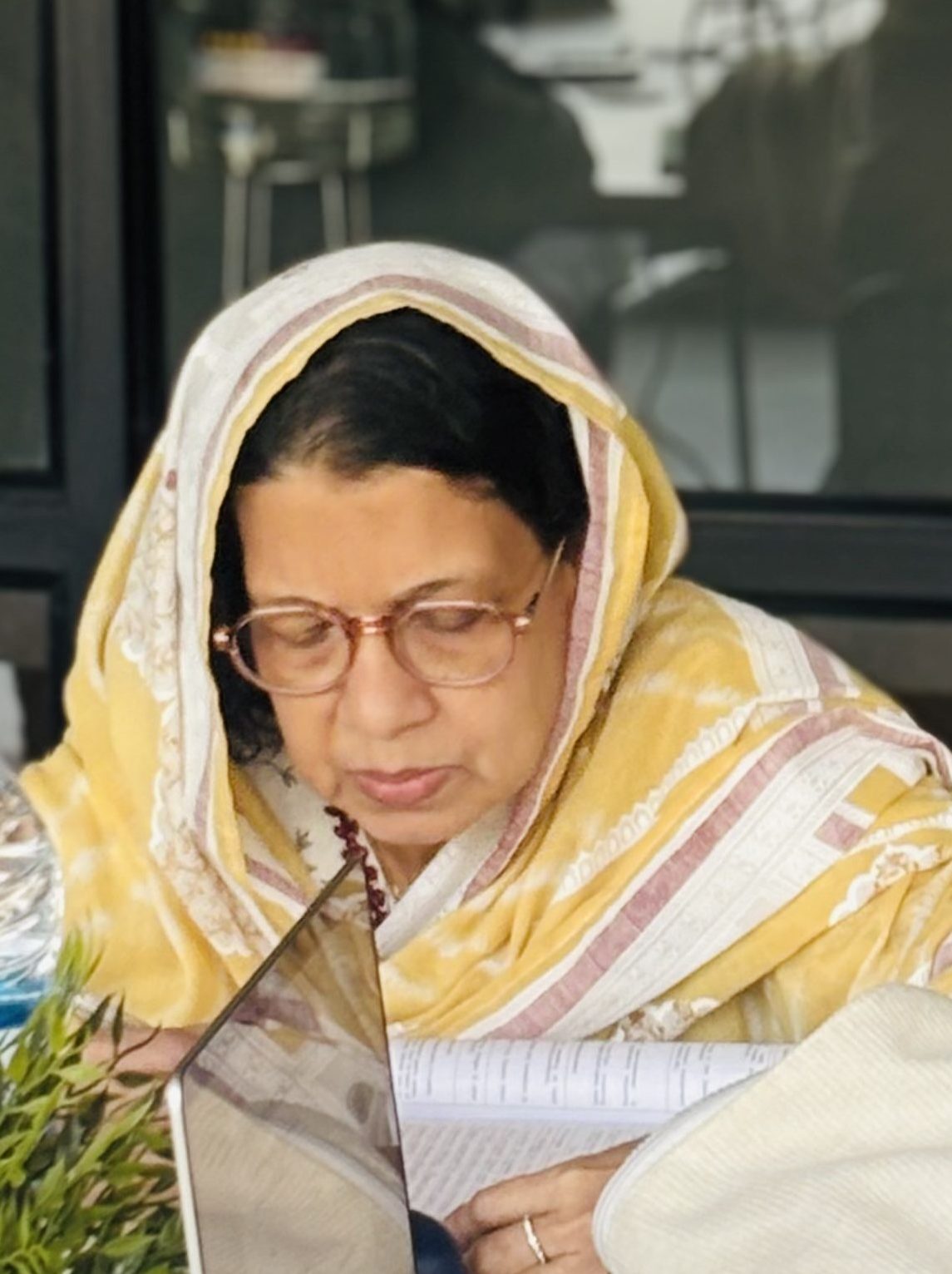
K Fathima Jowhara is a retired school teacher.
She lives in Vazhakkad, Malappuram, Kerala.
The illustration is AI generated.


 themarinadejournal.com